Table of Contents
- Understanding Authentic New Orleans Event Decor
- New Orleans Event Design Ideas That Honor the Culture
- Choosing Colors and Florals for Your Celebration Space
- Culturally Respectful Event Planning: Avoiding Stereotypes
- Authentic New Orleans Party Decorations: What Actually Works
- Step-by-Step Setup and Installation
- Sourcing Decor Locally and Sustainably
- Frequently Asked Questions
Last Updated: October 11, 2026
Understanding Authentic New Orleans Event Decor
Authentic New Orleans event decor honors the culture, history, and artistic traditions that make this city unique, creating an immersive experience that resonates with guests on a deeper level.
Real New Orleans style draws from the city’s rich heritage: the architectural details of the French Quarter, the artistic traditions of local musicians and craftspeople, and the genuine celebration practices that define community gatherings.
At New Orleans Music Events, we’ve spent over 40 years crafting events that capture the true spirit of the Crescent City by translating cultural meaning into visual elements that tell a story.
The most effective authentic New Orleans party decorations combine historical references with contemporary design. Mix vintage wrought iron with modern lighting, pair traditional florals with sleek furnishings, and layer textures to create depth rather than clutter.
New Orleans Event Design Ideas That Honor the Culture
Creating authentic New Orleans event design ideas means respecting the traditions you’re celebrating through genuine cultural practices presented thoughtfully.
Consider these core principles for your celebration space:
- Research the specific tradition or era you’re referencing
- Source materials and inspiration from local artisans when possible
- Incorporate live music or recorded jazz as a foundational element
- Use colors and materials that reflect actual historical settings
- Engage local vendors who understand the cultural context
Guests notice when decor reflects genuine cultural knowledge versus tired stereotypes. Culturally respectful event planning creates memorable, meaningful experiences.
Choosing Colors and Florals for Your Celebration Space
Traditional Color Palettes and How to Apply Them
The iconic color palette of New Orleans draws from Mardi Gras traditions, but authentic application goes far deeper than defaulting to purple, green, and gold.
Purple represents justice, green symbolizes faith, and gold stands for power, meanings established by the 1872 Rex Organization parade (Rex Traditions). Authentic New Orleans event decor uses these colors with intention and restraint; choose one as dominant and use the others as accents to avoid visual chaos.
For intimate gatherings (under 50 guests): Deep purple paired with cream and bronze creates sophistication without overwhelming a smaller space.
For larger celebrations (50-200 guests): Green as your primary color with gold accents and white space allows the eye to rest.
For formal events (weddings, galas): Jewel tones, deep emerald, sapphire, and burgundy, draw from the city’s historic architecture and feel elevated.
Use warm metallics, bronze, copper, and aged brass, to reflect the city’s nighttime light. Avoid cool silvers and chrome, which feel disconnected from authentic New Orleans atmosphere.
Floral Design: Seasonal, Regional, and Budget-Conscious Choices
Sourcing matters as much as selection for authentic New Orleans florals.
Spring (February-May): Magnolias are the signature flower. Pair with azaleas, fresh ferns, and trailing ivy for romantic arrangements suited to weddings and celebrations.
Summer (June-August): Orchids, anthuriums, bird of paradise, and Boston ferns create drama. Incorporate native palmettos and Spanish moss for authenticity.
Fall (September-November): Bronze chrysanthemums, burgundy foliage, and rust-colored leaves combined with dried grasses and branches create grounded arrangements.
Winter (December-January): Evergreens, white flowers, and bare branches create elegance. Incorporate magnolia leaves and subtle metallic accents. Cost varies; local evergreens keep costs reasonable.
Budget-Conscious Approach: Work with local florists to source abundant, in-season flowers. Use greenery and branches as fillers. Rent potted plants and topiaries.
High-Budget Approach: Commission custom arrangements from New Orleans specialists who source rare varieties and design installations tied to your event’s cultural or historical theme.
Authentic New Orleans florals tell a story about place and season. They’re not just decoration, they’re a connection to the environment and growing cycles that make the city distinctive. Seasonal sourcing also reduces cost and environmental impact while supporting local growers.
Culturally Respectful Event Planning: Avoiding Stereotypes
Culturally respectful event planning means avoiding caricature. New Orleans culture deserves genuine representation; skipping stereotypes makes your event more powerful.
Avoid oversimplifying traditions, using sacred elements as decoration, treating practices as party themes, ignoring community voices, or defaulting to mass-produced items. Instead, invest time understanding what you’re celebrating. Ask: Who practices this tradition? What does it mean to them? How can your event honor rather than exploit that meaning?
Authentic New Orleans Party Decorations: What Actually Works
Furnishings, Props, and Custom Styling
Authentic New Orleans party decorations use real materials and design principles from the city. Wrought iron is non-negotiable; vintage wooden elements, aged metals, and reclaimed materials create authenticity that new items cannot match.
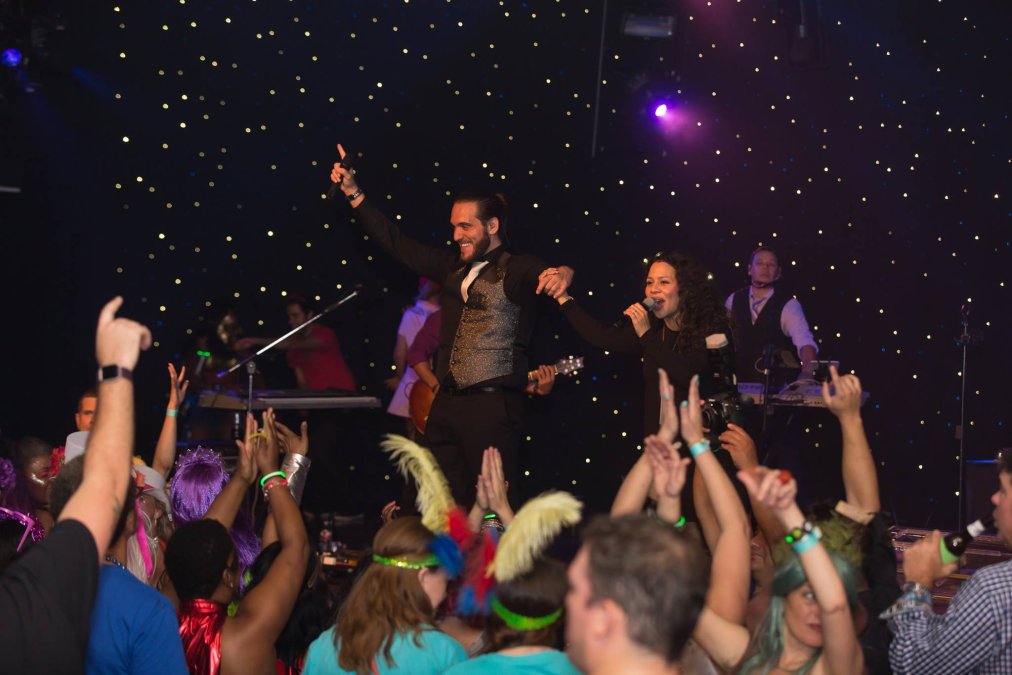
Props should serve your event’s narrative. Create intentional vignettes with antique mirrors, vintage candleholders, period furniture, local artwork, and handcrafted signage rather than scattering random items. Balance nostalgia with contemporary comfort so guests feel transported without discomfort.
Lighting and Atmosphere
Lighting transforms authentic New Orleans event decor. Layer multiple light sources at different heights: candlelight for warmth, string lights for festive energy, uplighting on architectural elements, and dimmed ambient lighting. Use warm color temperatures (2700K-3000K); cool lighting flattens the atmosphere.
Over-lighting kills the mood. Dim spaces feel more intimate and allow decorative elements to shine. Test your lighting levels before your event, what looks bright in daylight feels completely different once guests arrive and candles are lit.
Step-by-Step Setup and Installation
Pre-Event Planning and Timeline
Plan backward from your event start time. One week before: Confirm vendor deliveries, test lighting connections, assign teams, and scout the venue. Two days before: Inspect all items for damage and confirm weather forecast. Day before: Install structural elements and lighting to reduce event-day pressure.
The Installation Sequence
Follow this order to prevent rework and ensure efficient use of time and labor:
Phase 1: Structural Foundation (2-3 hours)
- Position all tables, chairs, and large furnishings first
- Install wrought iron elements, archways, or custom installations
- Set up any rental pieces (dance floors, stages, bars)
- Mark focal points and photo backdrops with tape or markers
Phase 2: Lighting and Electrical (1-2 hours)
- Install all uplighting, string lights, and ambient fixtures
- Test every connection and backup power sources
- Adjust lighting angles and intensity
- Confirm dimmer switches and remote controls work
- Critical: Test lighting at the actual time of day your event occurs; daylight and evening light look completely different
Phase 3: Florals and Greenery (2-3 hours)
- Install large floral installations and centerpieces first
- Add garlands, Spanish moss, and climbing greenery to structures
- Place smaller arrangements on tables and surfaces
- Install fresh florals within 4 hours of event start to maintain appearance in heat and humidity
Phase 4: Accessories and Details (1-2 hours)
- Add smaller decorative elements: candles, mirrors, artwork, signage
- Layer in linens, runners, and fabric elements
- Position props and vintage pieces
- Arrange place settings and table details
Phase 5: Final Walkthrough and Adjustments (30-45 minutes)
- Walk the entire space from a guest’s perspective
- Check sight lines and focal points
- Adjust lighting levels and color temperature
- Confirm all elements are secure and won’t shift during the event
- Take photos for documentation
Venue-Specific Setup Considerations
Indoor venues: Setup takes 4-6 hours for 100 guests. Climate control is stable. Plan electrical distribution early and use freestanding installations in historic buildings. Outdoor venues: Add 2-3 hours for weather variables. Start early, secure lightweight items, have rain contingency, and test lighting at dusk. Hybrid spaces: Coordinate simultaneous setup with separate teams and ensure visual continuity.
Weather and Humidity Logistics
New Orleans climate presents unique setup challenges:
Heat and Humidity (May-September): Install florals late, use battery candles or hurricane glasses, press linens on-site, use mechanical fasteners, and prioritize shade and cold beverages. Rain and Moisture: Protect electrical connections, use water-resistant materials, secure lightweight items, and have tarps ready. Mild Weather (October-April): Optimal setup window; plan for temperature drops with layers or heating.
Team Coordination and Staffing
Under 50 guests: 2-3 people in 3-4 hours (lighting, florals, furnishings). 50-150 guests: 4-6 people in 2-3 hours with zone assignments. Over 150 guests: 6-10 people with a coordinator; stagger arrivals and use walkie-talkies.
Critical roles:
- Lighting lead: Tests all electrical connections and manages dimming/color temperature
- Floral lead: Coordinates flower placement and ensures arrangements are secure and level
- Furnishings lead: Positions furniture, props, and large installations
- Coordinator: Manages timeline, troubleshoots issues, and communicates with vendors
Setup Checklist by Phase
Before arrival:
- All vendors confirmed and delivery windows locked
- Venue access confirmed (keys, codes, parking for trucks)
- Weather forecast checked; contingency plans in place
- Team assignments and timeline communicated
- Equipment tested (lighting, sound, power)
Phase 1:
- Furniture positioned and level
- Large installations secure and stable
- Focal points marked
- Pathways clear for guest flow
Phase 2:
- All lighting tested and working
- Dimmer switches functional
- Color temperature set (warm 2700K-3000K)
- Backup power confirmed
Phase 3:
- Large arrangements installed
- Garlands and greenery in place
- Centerpieces on tables
- Spanish moss and texture elements added
Phase 4:
- Candles lit (or battery alternatives activated)
- Linens and runners in place
- Artwork and signage positioned
- Props and vintage pieces arranged
Final:
- Guest sightlines clear
- All elements secure
- Lighting levels correct
- Restrooms and emergency exits accessible
- Photos taken for documentation
Do not skip the final walkthrough. Walk the space at the exact time guests will arrive, not during daylight setup. Lighting, shadows, and sight lines change dramatically, and last-minute adjustments are much easier before guests arrive than during the event.
Sourcing Decor Locally and Sustainably
Local vendors understand cultural context and provide materials with genuine provenance. Source from antique shops, local florists, independent artists, reclaimed material suppliers, and local event production companies. Choose reusable items over single-use decorations: rent vintage furnishings, use potted plants, and select repurposable materials to reduce waste.
| Sourcing Method | Best For | Sustainability |
|---|---|---|
| Local antique shops | Unique vintage pieces | High, existing inventory |
| Regional florists | Seasonal arrangements | Medium, some waste |
| Independent artists | Custom artwork | High, made to order |
| Rental companies | Furnishings and decor | High, reusable items |
| Reclaimed material suppliers | Architectural elements | Very high, salvaged goods |
Planning an authentic New Orleans event demands cultural knowledge, attention to detail, and commitment to genuine representation. When you invest in understanding the culture, sourcing responsibly, and designing thoughtfully, your guests experience something truly special.
Ready to bring authentic New Orleans culture to your next event? From custom branding integration to full-service event production including live music and professional decor coordination, we handle every detail. Learn more about how we can craft an unforgettable, culturally authentic celebration for your organization.
Frequently Asked Questions
How do you decorate an event with authentic New Orleans feel without relying on Mardi Gras beads?
Focus on the city’s architectural and cultural heritage. Use wrought-iron railings, vintage brass fixtures, lush greenery, and candlelit arrangements. Incorporate live music as a decor element, brass bands and jazz influence the entire spatial flow. Layer in historical references like second-line parade umbrellas as photo spots, vintage maps on walls, or local artist work. Authentic decor reflects the city’s architecture, music, and traditions, not just carnival imagery.
What colors work best for authentic New Orleans event design ideas?
Traditional combinations include deep jewel tones (emerald, sapphire, burgundy) paired with gold accents and warm whites. Neutral base colors (cream, taupe, charcoal) let cultural elements stand out. Avoid the overused purple-green-gold trio unless it’s genuinely central to your event’s purpose. Layer in subtle accent colors inspired by the city’s historic buildings: soft pastels, wrought-iron blacks, and terra-cotta. The key is restraint, let a few colors tell the story rather than overwhelming the space.
How can I ensure my event planning is culturally respectful when using New Orleans themes?
Educate yourself on the difference between celebration traditions and stereotypes. Research the actual history of second lines, Mardi Gras Indians, and jazz culture before incorporating them. Partner with local vendors and cultural consultants who can guide authentic choices. Avoid reducing the culture to beads, feathers, and catchphrases. If you’re planning a corporate event, work with professionals who specialize in immersive cultural experiences and can help integrate the theme meaningfully rather than superficially.
What’s the best approach to setup and installation for an outdoor New Orleans-themed event?
Plan for humidity and weather by choosing durable materials, wrought iron, treated wood, and weather-resistant fabrics. Install lighting early to test ambiance before guests arrive. Secure all props and furnishings to prevent wind damage. Arrange florals and greenery to frame key areas like backdrops and bar spaces. Allow time for final touches: candle placement, music system testing, and vendor coordination. Work with local event professionals familiar with the climate and venue logistics to avoid last-minute complications.