Quick Summary
Brand activation ideas for product launches include pop-up shops, immersive installations, live sampling, interactive games, and augmented reality experiences that let people try a product in person. The best choice depends on your goal, whether that is building anticipation, driving trial, or sustaining momentum after launch day.
- Pop-up shops create urgency because visitors know the window is temporary.
- Pick a game mechanic that produces the metric you need, such as recall or user-generated content.
- Keep game rules to one sentence and rounds under three minutes.
- Map each activation to pre-launch, launch window, or post-launch rather than choosing them one at a time.
- Measure participation, not just attendance, by tracking completion rate and sign-ups.
Table of Contents
- What Brand Activation Means for a Product Launch
- Pop-Up Shops and Temporary Experiences
- Immersive Installations and Experiential Events
- Live Product Sampling and Demonstrations
- Interactive Challenges, Games, and Audience Participation
- Augmented Reality and Interactive Technology Ideas
- How to Choose the Right Activation for Your Brand
- Planning Your Next Successful Brand Activation
- Frequently Asked Questions
10 Creative Brand Activation Ideas for Product Launches
Last Updated: November 19, 2026
What Brand Activation Means for a Product Launch
Brand activation ideas are the work of turning a product launch into a live experience people remember. Instead of only running ads, a brand puts its product in front of an audience through events, samples, games and displays. A well-planned activation can make a launch feel like a celebration rather than an announcement.
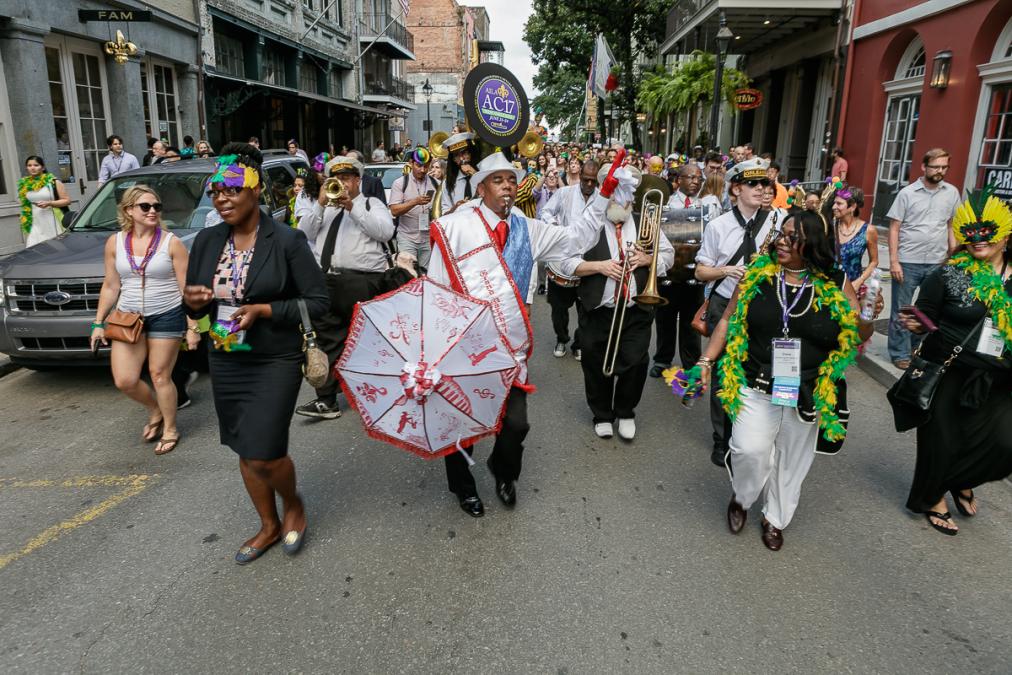
The goal is simple: make people feel something about the product before they buy it. Learn how brand identity is integrated into immersive events. A guest who hears a brass band, tastes a sample and joins a short challenge is far more likely to remember the brand than one who scrolled past a banner.
Activation works best when it matches the product. A beverage brand and a software company need very different experiences, even if both want the same result: attendees who leave talking about the launch.
Pop-Up Shops and Temporary Experiences
A pop-up shop lets people touch, try and buy a product in a short, focused window. Because it is temporary, it creates urgency that a permanent store rarely does. Visitors know they need to come now.
The strongest pop-ups share three traits. They are placed where the target audience already spends time, they tell a clear story about the product, and they give visitors something to take home, such as a sample, a photo or an exclusive item. A common mistake is building a beautiful space with no reason for people to stay longer than a few minutes.
Immersive Installations and Experiential Events
Immersive installations surround visitors with the product’s world. Lighting, sound, scent and physical objects work together so the audience moves through a story instead of reading about it.
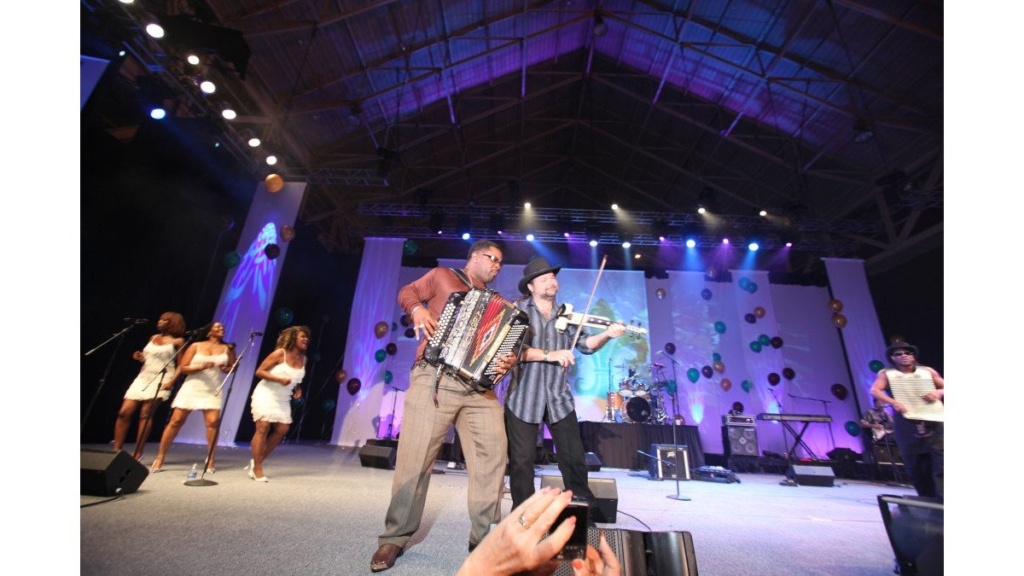
For a launch, an installation might recreate the setting where the product is used. The trick is to keep the brand present without overwhelming the experience. Guests should feel they are discovering something, not being sold to. Get guidance on designing multi-sensory event experiences for attendees. New Orleans Music Events can weave brand identity into music, decor and staging so the atmosphere itself carries the message.
Live Product Sampling and Demonstrations
Sampling puts the product directly in hands. A demonstration shows how it works in real life. Together, they answer the first question most buyers have: does this actually do what it claims?
Plan the flow carefully. Staff should be ready to explain the product in a sentence or two, and the sampling station should be easy to reach without a long wait. Long lines kill the energy of an activation faster than anything else.
Interactive Challenges, Games, and Audience Participation
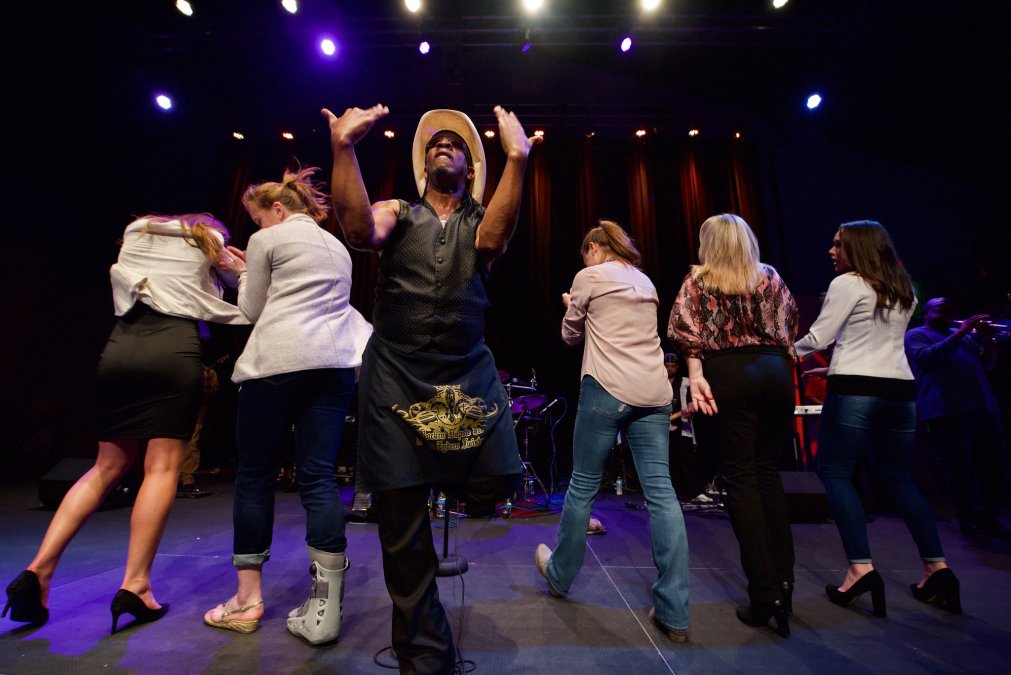
Games work at a launch because they convert a spectator into a participant, and participation is what makes an activation measurable. The design question is not “is this fun” but “what does this game get us that a demo alone would not.”
Start with the mechanic and the metric together. A timed product-matching challenge measures product comprehension. A photo or video challenge with a branded hashtag measures earned reach and user-generated content. A leaderboard with a prize measures repeat visits and dwell time. A trivia round tied to product features measures recall. Pick the mechanic that produces the number you actually need, then design the reward around it.
Keep the rules to one sentence and the round to under three minutes. A game that takes five minutes to explain loses the room, and a game that takes fifteen minutes to play creates the line problem that kills activation energy. Build in a fast lane for people who want to watch rather than play, so the station never becomes a bottleneck.
Tie the challenge to a product truth. A game that could belong to any brand teaches nothing; a game that only makes sense because of how the product works doubles as a demonstration. This is where games outperform passive displays, because the participant experiences the product benefit rather than hearing about it.
Measure participation, not just attendance. Count rounds played, completion rate, contact or sign-up capture, content posted with the campaign tag, and redemption of any reward code. Compare those numbers against a non-game activation at the same event where possible, so you can attribute lift rather than assume it.
Watch out: a game with no data capture and no product tie-in is entertainment, not activation, and it will not survive a post-launch review.
The article names four measures that match each game mechanic, so you can pick the one your launch needs.
| Mechanic | Measures | Example |
|---|---|---|
| Timed product-matching challenge | Product comprehension | Matching products within a time limit |
| Photo or video challenge | Earned reach and user-generated content | Branded hashtag posts |
| Leaderboard with prize | Repeat visits and dwell time | Prize for top scores |
| Trivia round | Recall | Questions on product features |
Augmented Reality and Interactive Technology Ideas
Augmented reality (AR) lets guests see the product in new ways through a phone or screen. A visitor might point a camera at a display and see a product feature come to life, or try a virtual version before buying.
Technology should serve the experience, not become the experience. Test every interactive element with real attendees before the event, and have a plan for when the Wi-Fi or a device fails. A broken screen in the middle of a launch can undo a lot of goodwill.
How to Choose the Right Activation for Your Brand
Choosing an activation is a sequencing decision as much as a creative one. The strongest launch campaigns treat activations as a coordinated arc across three stages, and each stage asks a different question of the audience.
Pre-launch: build anticipation and capture intent. The goal here is awareness and list-building, not sales. Teasers, waitlist sign-ups, invite-only previews, and small influencer previews work because they create scarcity before the product is available. A common pattern is to run one anchor teaser activation and two or three lightweight social touchpoints that point back to it. Measure this stage by reach, waitlist sign-ups, and RSVP conversion rather than revenue. See how to measure whether an activation performed.
Launch day and launch window: drive trial and conversion. This is where sampling, demonstrations, pop-ups, and immersive installations earn their place. The question shifts from “do people know about it” to “do people try it and buy it.” Pair every trial mechanic with a clear next step, such as a QR code to purchase, a same-day offer, or a sign-up for a follow-up demo. Measure trial volume, conversion rate, and average transaction value.
Post-launch: sustain momentum and gather proof. Follow-up activations, user-generated content prompts, referral offers, and recap events keep the launch from going quiet after week one. This stage is where earned reach and repeat purchase show up. Measure content created by attendees, referral codes redeemed, and repeat purchase rate.
Budget tiers change the format, not the logic. A low-budget program leans on one strong anchor activation plus social amplification, with most spend going to staffing and content capture. A mid-budget program adds a second market or a multi-day pop-up and modest fabrication. A high-budget program layers multiple markets, custom builds, and technology, but the cost drivers are consistent: staffing, fabrication, venue, permits, technology, and content production.
Match the format to the audience type as well. Consumer launches reward trial, shareability, and impulse conversion. Trade and B2B launches reward demo depth, decision-maker access, and qualified lead capture, so a smaller, appointment-driven activation often outperforms a large public one.
Watch out: choosing activations one at a time without mapping them to a stage usually produces a calendar of disconnected events rather than a launch campaign.
Planning Your Next Successful Brand Activation
Begin planning early, ideally several months before the launch. Set one clear goal, choose your venue and timing, and decide how you will measure results, such as attendance, sample sign-ups or social shares. New Orleans Music Events produces live music, decor and full event management for corporate experiences.
Successful activations are rarely the biggest. They are the most focused. When every element supports the same message, guests leave with a clear memory of the product and the brand behind it. Explore event branding strategies for product launches.
Ready to plan your launch? Learn more about how New Orleans Music Events can bring music, decor and brand identity together for your next event.
Frequently Asked Questions
What are some creative brand activation ideas for a product launch?
Strong launch activations often combine a physical experience with a shareable moment. Pop-up shops let people touch and try a product before buying. Live sampling and demonstrations turn curiosity into trial. Interactive challenges and games reward participation, while immersive installations give guests a story to repeat. Augmented reality adds a digital layer that extends the event beyond the room. The best choice depends on your audience, your budget, and the one action you want guests to take.
How can you measure the success of a brand activation?
Set one measurable goal before the event, such as sampling counts, sign-ups, social media mentions, or sales in the weeks after launch. Track attendance and engagement on site, then compare post-event results against a baseline from a similar period. Attribution is harder than it looks, so use unique codes or links where possible. Measure a few clear metrics well rather than many weak ones.
What makes a brand activation successful?
A successful brand activation connects directly to the product and the audience. Guests should leave with a clear understanding of what the product does and why it matters to them. The experience should be easy to join, memorable enough to share, and staffed well enough to answer questions. Clear goals, a realistic timeline, and early planning with venues and vendors also separate strong activations from forgettable ones.
How do you make a product launch activation interactive?
Give guests a task rather than just something to watch. Options include a short challenge with a small reward, a live demonstration where they try the product, or a photo moment tied to a branded hashtag. Keep instructions simple and staff ready to guide participants. Interactive elements work best when they feel like part of the experience rather than an add-on to it.
