Last Updated: November 7, 2026
Quick Summary
Multi-sensory experiences are built by planning an event that reaches sight, sound, smell, touch and taste together, so attendees remember it longer. Start by deciding what guests should feel at each point in the evening, then choose the senses that support that feeling. Balance the senses so no single one overwhelms the room.
- Sight sets the mood fastest, while sound controls energy and pace.
- Smell is the strongest trigger for memory, so keep scent light or confine it to one station.
- Fund two senses deeply and treat the rest as accents within your budget.
- Build inclusion in from the first site walk, with a quiet room and a published sensory schedule.
- Map senses to each part of your agenda before choosing vendors or a budget.
Table of Contents
- What Multi-Sensory Event Design Means in Practice
- Engaging Sight, Sound, Smell, Touch and Taste Together
- Five Senses Event Ideas You Can Adapt to Your Venue
- Sensory-Friendly Event Planning for Accessibility and Inclusion
- Interactive Sensory Activities for Groups
- Budgeting, Measuring Results and Building Brand Activation Into the Experience
- Your Next Step: Mapping Senses to Your Next Event Agenda
- Frequently Asked Questions
What Multi-Sensory Event Design Means in Practice
Multi-sensory experiences are built by planning an event that reaches all five senses at once. Sight, sound, smell, touch and taste each carry part of the story. When they work together, attendees remember the event longer and talk about it afterward.
Most planners start with the visual side: lighting, color and stage design. That is a good start, but it leaves most of the experience to chance. A room that looks great and sounds flat rarely holds attention for long.
The useful question is not “what will look good?” It is “what should people feel, hear and taste at each point in the evening?” Start there, then choose the senses that support that feeling.
Engaging Sight, Sound, Smell, Touch and Taste Together
Each sense does a different job. In multi-sensory experiences, sight sets the mood fastest. Sound controls energy and pace. Smell is the strongest trigger for memory, and touch and taste add the details people remember later.
Use this simple test for each element you add:
- Sight: Does the lighting or color guide attention to the right place?
- Sound: Does the music match the pace of the agenda?
- Smell: Is the scent light enough that no one is bothered by it?
- Touch: Can guests interact with the space in a safe, easy way?
- Taste: Does the food or drink connect to the event theme?
A common mistake is overloading one sense. Loud music, bright strobes and heavy scent in the same room tire people out fast. Balance the senses so each one supports the others.
Five Senses Event Ideas You Can Adapt to Your Venue
You do not need a large budget to use all five senses. Pick two or three ideas that fit your room and your audience.
- Sight: Use warm uplighting on walls and a single focal light over the main table.
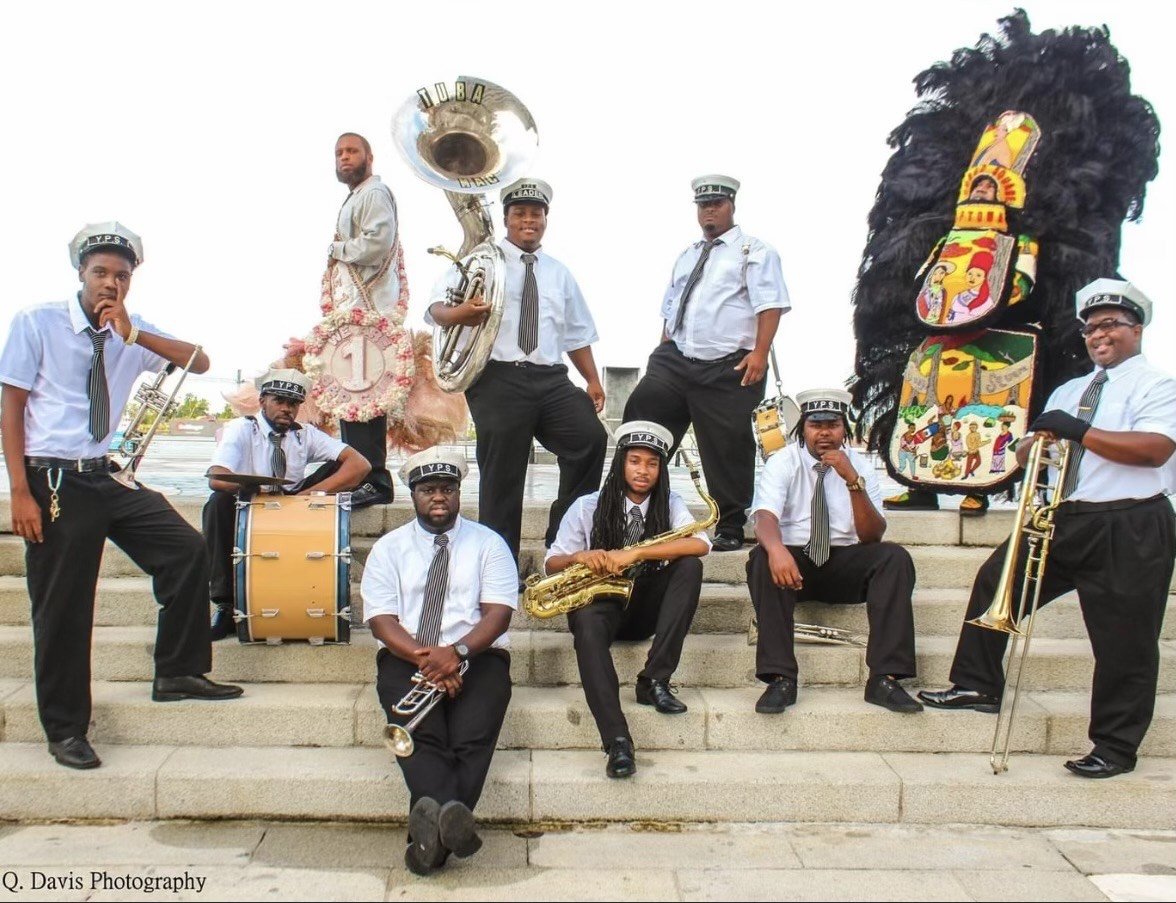
- Sound: Add a live brass band during arrival, then shift to a softer set during dinner. Learn how to hire professional brass bands for corporate galas.
- Smell: Bring in fresh herbs or citrus at the bar, not a heavy air freshener.
- Touch: Offer textured fabric panels or a mural guests can run their hands along.
- Taste: Serve a small, themed bite at the entrance so guests start the event with a signature flavor.
Match each idea to your venue’s limits. A ballroom with high ceilings can handle big visuals. A small courtyard works better with sound and scent.
Each sense can be added with a simple, venue-friendly idea. Pick two or three that suit your room.
| Sense | Example idea | Venue fit |
|---|---|---|
| Sight | Warm uplighting and one focal light | Works in most rooms |
| Sound | Live brass during arrival, softer set at dinner | Suits large spaces |
| Smell | Fresh herbs or citrus at the bar | Light scent only |
| Touch | Textured fabric panels or a mural | Needs wall space |
| Taste | Small themed bite at the entrance | Ties to event theme |
Sensory-Friendly Event Planning for Accessibility and Inclusion
Sensory design fails the moment a guest has to leave the room to cope. Build inclusion into the plan from the first site walk, not as a fix on event day. You can see the services offered to design and deliver sensory-friendly events on the business’s site. The goal is to give every attendee a way to opt into the intensity they want and opt out of the intensity they do not.
Start with a sensory map of the venue. Walk the space and mark where sound, light, scent and crowd density peak. Then place the following elements against that map:
- A quiet room with real separation. A corner of the main room is not a quiet room. Choose a space behind a door, with soft seating, dimmable light, water, and a clear sign at the entrance. Staff it so guests are not left alone if they need help.
- A published sensory schedule. List when the loudest music, the brightest lighting cues, and any scent or fog effects will occur. Guests who are sensitive to sound or light can plan their evening around those windows instead of leaving early.
- Opt-in scent and taste. Do not scent an entire room by default. Confine fragrance to a bar station or a single activation, label it clearly, and let guests choose to approach. The same logic applies to tasting stations: post ingredients and common allergens at the station, not only in a menu.
- Clear sightlines and step-free routes. Seating with unobstructed views and easy exits helps guests with mobility needs and anyone who needs to leave quickly. Keep cables, rug edges and stanchion bases out of main walking paths.
- Advance communication. Put sensory information on the registration page and in the pre-event email: noise levels, lighting effects, fragrance use, menu allergens, and where the quiet room is. Guests who know what to expect arrive calmer and stay longer.
Watch out: fragrance and food allergies are the two sensory elements most likely to cause a medical issue, so treat scent as an opt-in station and keep ingredient cards at every tasting point rather than relying on guests to ask.
Inclusion also means different communication preferences. Offer the schedule and sensory map in print and on a phone-friendly page, and brief door staff and volunteers on where the quiet room is and how to escort a guest to it. A short staff briefing before doors open prevents most of the confusion that turns a manageable moment into a bad experience.
These choices make the event easier for every guest, not only those with diagnosed sensory needs. Clear information, a genuine quiet space, and opt-in intensity let people regulate their own experience, which is the difference between an event they endure and one they enjoy.
Interactive Sensory Activities for Groups
Interactive activities turn passive guests into participants. They also help people meet each other, which supports the networking goals many corporate events have.
Simple options that work well for groups:
- A tasting station where guests compare two or three small bites.
- A touch wall with materials from the event’s theme.
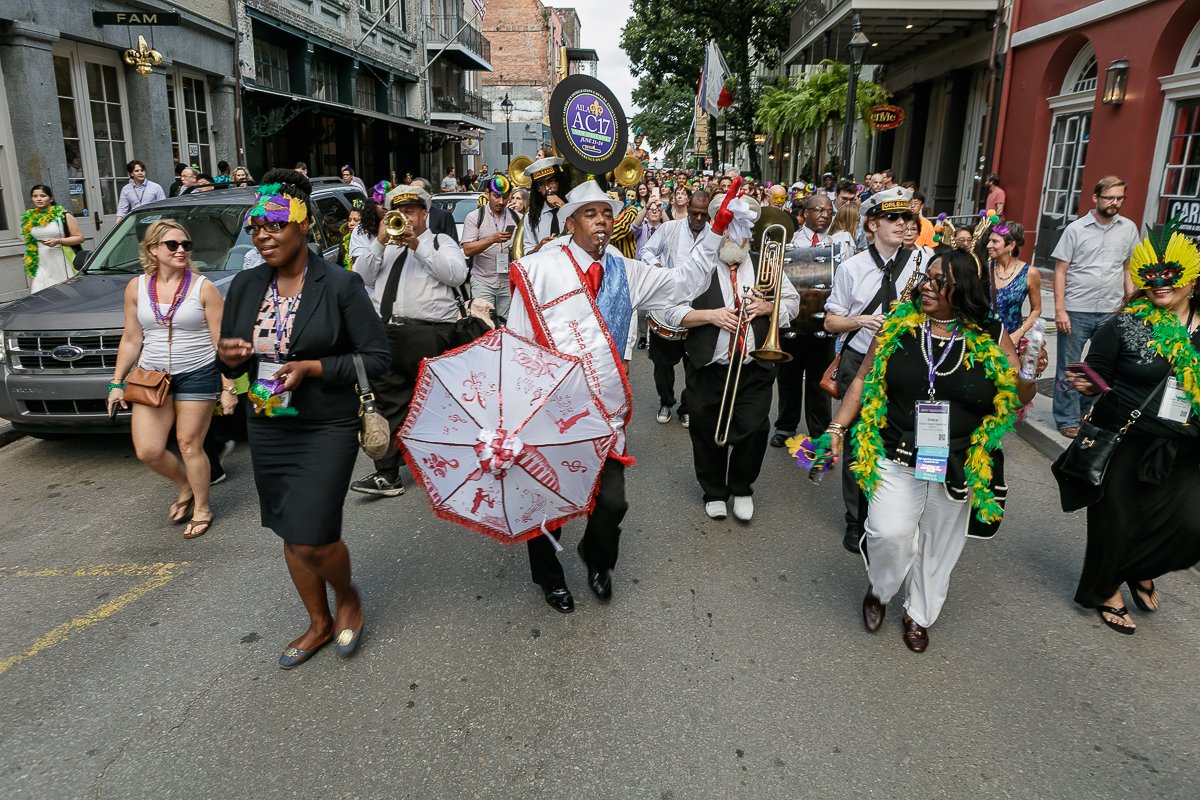
- A music moment where guests clap or move to a short rhythm the band builds on.
- A scent pairing, with small cards that explain each fragrance.
Keep each activity short and easy to join. Most people will step in for a few minutes but not for a long, complicated task.
Budgeting, Measuring Results and Building Brand Activation Into the Experience
Sensory elements compete for the same dollars as food, staff and entertainment, so decide where the spend earns its place before you book anything. A workable pattern is to fund two senses deeply and treat the rest as accents.
A simple prioritization sequence:
- Lock the non-negotiables first. Safety, accessibility, staffing and the quiet room come out of the budget before any sensory flourish. Cutting these to fund a lighting effect is a false saving.
- Fund the two senses that carry the theme. If the event is a listening party, sound and sight lead. If it is a tasting, taste and smell lead. Let the theme decide, not habit.
- Add one signature moment. A single strong sensory cue, a scent at the entrance, a brass line at arrival, a textured wall, is easier to remember and cheaper to produce than five weak ones scattered through the night.
- Hold a contingency. Live sound, scent diffusion and lighting all behave differently in a real room than in a plan. Keep a reserve for the adjustments that always come up on site.
Pricing depends on venue, guest count, date and production scope, so ask for a written quote from New Orleans Music Events rather than budgeting from a rule of thumb. Build the quote request around your sensory map so vendors price the specific moments you want, not a generic package.
Safety and consent belong in the same budget conversation. Sound levels should be set with the venue’s limits and the audience in mind, and any immersive or interactive element, a touch wall, a fog effect, a tasting, needs a clear opt-in and a staffed point of contact.
Measure the event against what you actually set out to do. Useful indicators include:
- Guest feedback on the single most memorable moment, asked in a short post-event survey.
- Dwell time at each sensory station, observed by staff and noted on a simple floor map.
- Recall in a follow-up message a week later, can guests name the signature scent, sound or taste?
- Participation rates at interactive stations versus foot traffic past them.
- Follow-up actions such as sign-ups, meeting requests or return registrations.
Watch out: measuring only social posts and photos rewards the most photogenic element, not the most effective one, so pair those counts with dwell time and recall before you decide what to repeat.
Brand activation works best when it rides on the sensory cue guests already remember. Tie the signature scent, sound or taste to the brand’s colors and story, then repeat it in the follow-up message so the association has a second chance to land.
Your Next Step: Mapping Senses to Your Next Event Agenda
Take your agenda and mark each part of the event with the senses you want guests to use. Arrival might focus on sight and taste. Dinner might focus on sound and touch. Closing remarks might use a single, strong sensory cue.
Then check the plan against your budget, venue and guest needs. Remove any element that does not support the goal of the event.
Ready to plan a sensory-rich event? Contact New Orleans Music Events for a custom quote. We can help you design sound, lighting and entertainment for your next gathering.
Frequently Asked Questions
What is multi-sensory design in events?
Multi-sensory design is the practice of planning an event so that attendees experience it through several senses at once, such as sight, sound, smell, touch and taste, rather than relying on visuals alone. For event planners, the goal is to create a coherent atmosphere where lighting, music, textures and food reinforce the same theme. Start by choosing one core theme, then ask which senses it naturally touches. A jazz-inspired reception, for example, can combine warm lighting, live brass, aromatic food stations and tactile printed materials. The result is a more memorable experience that attendees recall long after the event ends.
How do you create a sensory-friendly event?
A sensory-friendly event keeps stimulation at levels that most attendees can comfortably manage, including people who are sensitive to loud sound, bright light or strong scent. Plan quiet zones, offer adjustable lighting, keep music volume controllable and avoid heavy fragrance near seating areas. Publish a simple sensory map in advance so attendees know where calmer spaces are. Test sound levels at the actual venue before the event, since rooms with hard surfaces amplify noise. Ask registrants about sensitivities during registration so you can plan accommodations without singling anyone out.
How can event planners engage all five senses without overwhelming attendees?
Balance matters more than quantity. Choose one dominant sense for each program segment and support it with one or two others, rather than activating every sense at full intensity at once. For example, a networking reception might emphasize taste and sound while keeping lighting soft and scent neutral. Vary the intensity across the agenda so that high-energy moments are followed by calmer ones. Observing a few attendees during a rehearsal or early session will show you quickly when the environment is tipping into overload.
How can a brand be incorporated into a multi-sensory event?
Connect the brand to senses that match its identity rather than applying logos to every surface. A brand known for crisp, clean products might use a restrained color palette, a signature sound cue and a consistent scent in lobby areas. Let the brand shape the experience itself, such as a tasting station built around a product ingredient or a music moment tied to a product launch. Confirm early with your stakeholders which brand elements are non-negotiable, so the creative team can build around them.
