

Last Updated: November 14, 2026
Quick Summary
The best wedding reception music for a small guest list starts with a playlist built around the reception’s moments, such as arrival, dinner, speeches, and dancing. Pair it with a live musician or a short live set when the room allows. Match the format to your venue’s size and acoustics, and keep volume low during conversation.
- Group songs by reception moment, such as arrival, cocktail hour, dinner, first dance, and the send-off.
- Ask guests in advance for one must-play song and one song they would rather not hear.
- Walk the venue before choosing a format, noting ceiling height, floor surface, and wall materials.
- Use observable triggers, not clock times alone, to start each music cue.
- Assign one person with no other duties to manage playback or cues during the event.
Table of Contents
- Why Small Guest Lists Need a Different Music Plan
- Seven Wedding Reception Music Ideas for an Intimate Crowd
- Upbeat Wedding Dance Songs That Work With Fewer Guests
- Wedding Reception Songs for an Older Crowd
- Matching Music Format to Venue Size and Acoustics
- A Sample Reception Timeline With Music Cues
- Frequently Asked Questions
7 Wedding Reception Music Ideas for Small Guest Lists
Why Small Guest Lists Need a Different Music Plan
A small guest list changes the feel of a wedding reception: every song, pause, and volume shift is easier to notice. Wedding reception music should make a close-knit room feel welcoming, not like a large party scaled down.
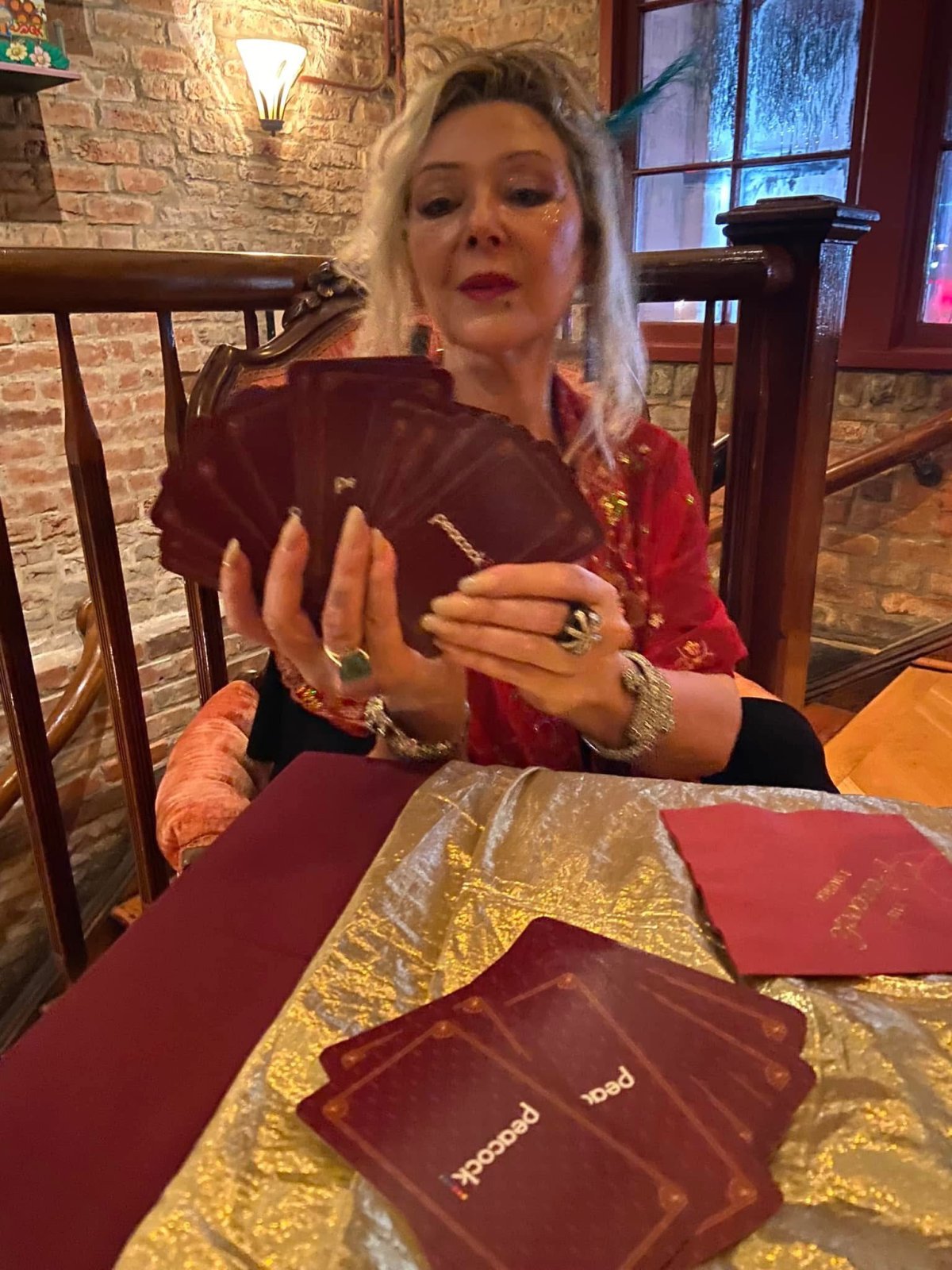
A small wedding reception playlist is a planned selection of songs for a close gathering, arranged around the reception’s moments rather than played as one long queue.
The useful distinction is not live versus recorded music, but whether the format fits the room and gives the evening a natural flow.
Seven Wedding Reception Music Ideas for an Intimate Crowd
The best wedding reception music ideas for a small guest list create shared moments without asking the room to behave like a packed dance club. Choose a format that suits the couple, then build clear transitions between arrival, dinner, speeches, and dancing.
-
Build a playlist around moments. Group songs for guest arrival, cocktail hour, dinner, the first dance, and the bridal exit. This gives the evening shape while leaving room to adjust the order.
-
Book a live musician for a personal touch. A solo musician or acoustic duo can create a warm atmosphere without filling the room with sound.
-
Invite song requests in advance. Ask guests for one must-play song and one song they would rather not hear. Use the answers to refine the set list.
-
Use a short live set, then recorded music. Live music can mark a special moment; a playlist can carry the evening afterward.
-
Choose a shared singalong. Pick a familiar song that suits the couple and invite guests to join without making participation compulsory.
-
Keep dinner music conversational. Choose gentle selections and lower the volume before speeches begin.
-
Give the ending its own cue. Select a final song for the recessional or bridal exit so guests know when the celebration is drawing to a close.
Idea 1: A Small Wedding Reception Playlist With Built-In Moments
A small wedding reception playlist works best when it follows the reception timeline, not just a list of favorite songs. Add a few tracks for each moment, then identify the songs that need a specific cue, such as the first dance or the start of speeches.
Keep a backup copy and assign someone to manage playback, an unattended playlist can interrupt a planned moment with an unexpected track or silence. If recorded or streamed music fits your plans, hear examples of our virtual entertainment.
Idea 2: Live Music for an Intimate Wedding Reception
Live music for an intimate wedding reception adds a visible focal point and a sense of occasion. A solo musician suits a compact room; a small ensemble brings more texture when the venue has space for performers and guests.
The trade-off is coordination around speeches, breaks, and sound levels. New Orleans Music Events offers live music and brass bands as part of its event entertainment. Explore our brass band option if a small ensemble suits the celebration.
Upbeat Wedding Dance Songs That Work With Fewer Guests
Upbeat wedding dance songs work best for a small group when the couple chooses familiar tracks and makes dancing feel optional.
Build the dance section around guest preferences rather than a long run of unfamiliar tracks.
A common mistake is starting with high-energy music before guests have finished dinner or settled in. For more on the entertainment we offer, see our live music and event services.
Wedding Reception Songs for an Older Crowd
Wedding reception songs for an older crowd should reflect the guests’ tastes without assuming age determines musical preference. Ask the couple which classic songs matter to their families, then balance those with modern tracks the couple wants to hear.
Organize the set list by mood: romantic songs for dinner, timeless songs for a shared dance, and upbeat songs for guests who want to move. Keep the do-not-play list visible to whoever manages the music.
Matching Music Format to Venue Size and Acoustics
The right music format depends on how the room carries sound, where guests sit, and whether conversation matters during dinner.
Start with the room, not the genre. Walk the space before choosing a format and note four things: ceiling height, floor surface, wall materials, and where kitchen or bar noise will come from. Hard floors, glass walls, and high ceilings reflect sound; rugs, drapes, upholstered seating, and table linens absorb it. Managing these acoustic variables ensures that even a subtle performance by Paul Newman Magician remains clear and balanced throughout the evening as you coordinate the flow of your wedding reception timeline with live entertainment.
Match the format to the room. Use this as a starting point, then adjust for your venue:
- Solo acoustic musician or duo: often suits compact rooms with moderate absorption; the performer can become a focal point without overwhelming conversation.
- Curated playlist with a small speaker system: best when the room is acoustically mixed or when the couple wants tight control over every song; requires someone to manage playback and volume.
- Small live ensemble (three to five pieces): suits rooms with enough floor space for the group and some absorption; adds energy for dancing but needs a sound check and a plan for breaks.
Speaker placement for small rooms. Aim speakers toward the audience and away from nearby tables, at or slightly above seated ear height.
Volume targets. Dinner music should sit low enough that guests at adjacent tables can talk without raising their voices; dance music can come up one or two steps once the floor opens. In a small room the gap between “background” and “too loud” is narrow, so mark two or three volume levels in advance and label them for whoever manages sound.
Acoustics problems and fixes. Echo and boom are the two most common issues in small venues. Echo is usually solved with soft furnishings or lower volume; boom by moving speakers away from corners and walls. A live ensemble that sounds balanced in an empty room can overwhelm a full one, so ask performers to sound check with tables set and, if possible, a few people in the room.
Format trade-offs. Live music gives a visible focal point and a sense of occasion but needs space, breaks, and coordination around speeches.
If you are comparing entertainment options for your venue, browse our event entertainment agency guide.
A Sample Reception Timeline With Music Cues
A reception timeline with music cues gives whoever runs the sound a clear plan without locking the couple into a rigid schedule.
| Reception moment | Typical clock | Music approach | Volume target | Cue to prepare |
|---|---|---|---|---|
| Guest arrival | 0:00-0:30 | Warm, mid-tempo playlist | Low, conversation-first | Start before the first guest enters |
| Cocktail hour | 0:30-1:15 | Relaxed background music | Low to moderate | Fade up slightly as guests move |
| Dinner service | 1:15-2:00 | Soft, familiar selections | Low under conversation | Lower one step when plates land |
| Speeches | 2:00-2:20 | Music off or very low | Near silent | Mute before the first toast |
| First dance | 2:20-2:25 | Couple’s chosen song | Moderate | Confirm the start cue with the emcee |
| Open dancing | 2:25-3:30 | Familiar, upbeat songs | Moderate to lively | Invite, never pressure |
| Send-off | 3:30-3:45 | Selected closing song | Moderate | Tell the music lead the exact track |
How to build the cue sheet. Give the person handling playback or performing a one-page sheet with three columns: the moment, the exact song or playlist name, and the trigger that starts it. Triggers should be observable events, not clock times alone, “after the last speech ends,” “when the couple reaches the floor.” Timelines built only on clock times drift by 15 to 20 minutes as speeches run long; observable triggers absorb that drift.
Small-guest-list adjustments. With fewer guests, the arrival window is shorter and the cocktail hour can compress, so prepare two or three fewer tracks per moment than you would for a large wedding. Keep the dinner playlist long enough to cover a slow service but short enough that it does not loop audibly. For the first dance, have the emcee announce it clearly; in a small room, guests often keep talking unless someone signals the transition.
Handling the awkward gaps. The two riskiest moments are the pause before speeches and the pause after the first dance. Prepare a short instrumental or low-key track to fill each one, and tell the music lead to start it the moment the previous moment ends. If the music lead is also a guest, they will be pulled into conversations and miss cues, assign the role to someone with no other duties, or hire a performer or DJ who owns it.
Rehearsing the cues. Walk through the cue sheet with the emcee, the caterer, and the music lead the week before the wedding, and again at the venue on the day.
Share the venue layout and event schedule.
- Identify first-dance, must-play, and do-not-play songs.
- Confirm who will manage music cues and transitions.
- Discuss sound needs and speaker placement.
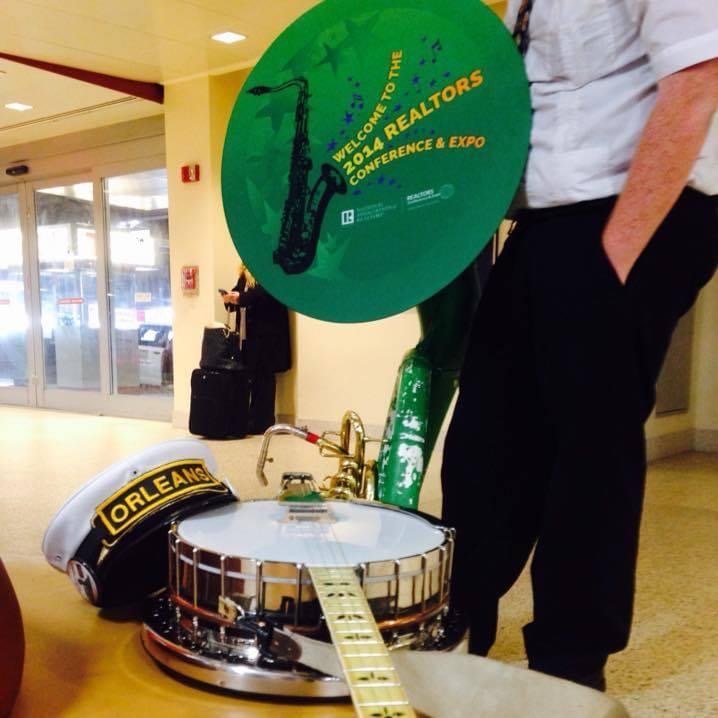
New Orleans Music Events brings live music, brass bands, and full-service event production together for private celebrations. Our entertainment and technical management can help shape a plan around the couple’s vision. Get started with New Orleans Music Events and plan a reception soundtrack that fits your gathering.
Frequently Asked Questions
What songs are good for a wedding reception playlist?
A reception playlist works best when it mixes familiar songs across moods: a warm opener for cocktail hour, a few upbeat tracks for the dance floor, and slower songs for dinner. For a small guest list, choose songs most of your guests will recognize, since a room of 40 people can be carried by a handful of shared favorites. Keep a short do-not-play list too, so the playlist never surprises your guests with a song that clashes with the mood.
How many songs do you need for a wedding reception playlist?
For a reception of about four to five hours, plan roughly 60 to 100 songs, depending on whether you want continuous background music or dance breaks. Small receptions often need fewer songs because the event is shorter and the room is smaller. Build in some extra tracks so you can skip or replace songs during the night without the music running dry.
Is a DJ or live band better for a small wedding reception?
A DJ is usually the more flexible choice for a small reception with a tight budget, because a DJ can play nearly any song on request and adapt to the crowd. A solo musician or acoustic duo can suit an intimate ceremony or dinner, where live sound creates a warmer atmosphere. Consider the size of your room and how much you want guests to dance before choosing, since a live act may not fill a large dance floor.
What music works best for a wedding reception with guests of different ages?
Mixed-age receptions benefit from a blend of decades, with classic songs that older guests know and recent hits that younger guests request. Ask your couple’s family for a few must-play songs from their own era, and keep the volume moderate during dinner so conversation stays comfortable. A short set of songs everyone can sing along to helps the dance floor fill without splitting the room.
