Table of Contents
- Start With Brand Values, Not Decor
- Design Multi-Sensory Touchpoints That Carry Your Brand Identity
- Creative Brand Activation Ideas for Conferences That Attendees Remember
- Experiential Marketing Best Practices for Immersive Events
- Measuring ROI of Brand Activations Without Guesswork
- Budget-Conscious Scaling and Accessibility in Immersive Events
- Conclusion
- Frequently Asked Questions
Last Updated: October 2, 2026
Start With Brand Values, Not Decor
Most event teams start with a color palette and a logo placement plan. That is backwards. Integrating brand identity into immersive events works best when you begin with what your company actually stands for, then design the room around it.
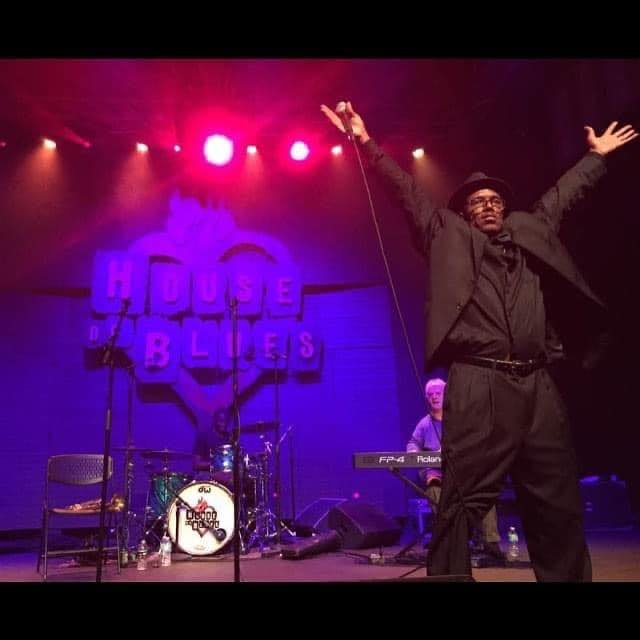
At New Orleans Music Events, we have spent more than 40 years building culturally rooted experiences for corporate gatherings. The lesson is simple: guests remember how a space made them feel, not how many branded banners hung from the ceiling.
Immersive events are gatherings where every element, from sound to scent to staging, pulls attendees into one connected story. When that story matches your brand values, the event stops feeling like a party and starts feeling like your company.
So before you book anything, write down three words that describe your brand. Then build every choice around those words.
Design Multi-Sensory Touchpoints That Carry Your Brand Identity
Multi-sensory design means planning for all five senses on purpose, not just sight. Each layer becomes a brand touchpoint that reinforces the same message.
Sight and Sound: The Foundation of Immersive Events
Sight and sound do the heavy lifting. Lighting sets mood, and live music controls energy in a way a playlist cannot.
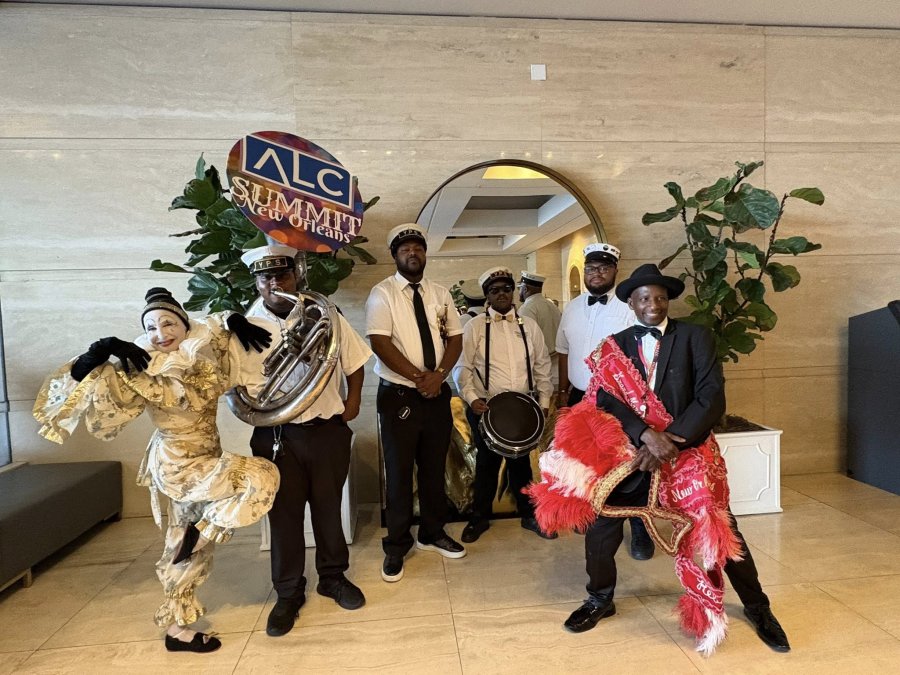
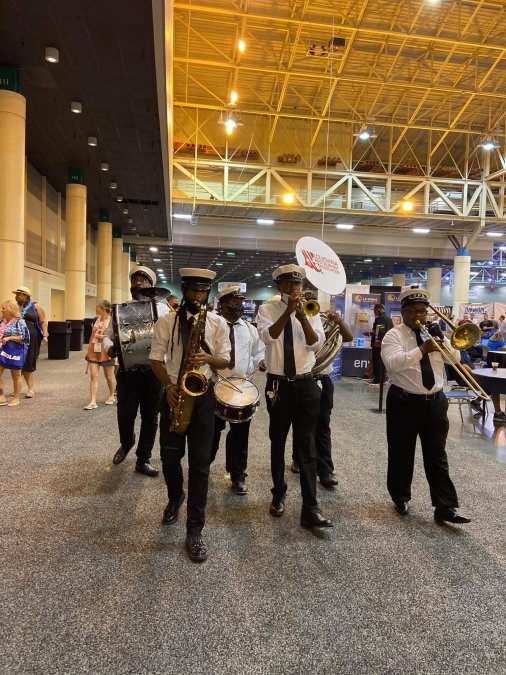
A brass band walking through a crowd creates a spike of attention no speaker can match.
Scent, Taste, and Touch: The Underused Layers
Scent, taste, and touch are where most planners leave value on the table. A signature scent in the entryway, a local dish passed on trays, textured seating in a lounge area. These small choices build emotional resonance fast.
Creative Brand Activation Ideas for Conferences That Attendees Remember
The best activations turn attendees from watchers into participants. Passive branding fades within hours. Participation sticks for months.
Try these formats:
- A second-line parade where guests march behind a band through the venue
- A custom songwriting booth that turns a team’s inside joke into a live track
- A branded instrument station where guests play along with professionals
- A storytelling corner where long-time employees share company history with a live trio behind them
- A regional food and music pairing room that ties taste to your brand’s roots
Give every activation a single job. One booth should do one thing well, whether that is collecting leads or creating a shareable moment. Booths that try to do three things usually do none of them.
Experiential Marketing Best Practices for Immersive Events
Experiential marketing best practices come down to alignment and restraint. Your event theme, your brand values, and your guest list should all point the same direction.
A few rules that hold up in practice:
- Pick two or three sensory layers and do them well
- Keep brand consistency across every touchpoint, from napkins to stage design
- Build quiet zones into the floor plan so guests can recover
- Brief your entertainment on your brand story, not just the set list
Measuring ROI of Brand Activations Without Guesswork
Measuring ROI of brand activations starts with deciding what success means before the event opens. If you cannot name the metric, you cannot report it. The ranking articles on this topic stop at that sentence. The tactical work is in what you instrument, when you collect it, and how you bridge the live experience to long-term brand loyalty.
Build the Measurement Plan Before the Floor Plan
A common pattern among experienced event marketers is to write the measurement plan in the same document as the creative brief. Every activation gets one primary metric and one guardrail metric. The primary metric tells you if the activation worked. The guardrail tells you if it damaged something else, dwell time, NPS, or attendee flow.
| What to Measure | How to Track It | What It Tells You |
|---|---|---|
| Brand recall | Post-event survey, 48 hours out | Whether the theme stuck |
| Attendee participation | Activation check-ins, photo tags | Which touchpoints pulled crowds |
| Lead capture | Badge scans, app sign-ins | Pipeline value from the event |
| Social reach | Hashtag and mention tracking | Organic audience impact |
| Retention intent | Follow-up survey at 30 days | Whether the feeling lasted |
| Brand sentiment shift | Pre/post survey with a control group | Whether perception moved, not just awareness |
The Post-Event Retention Gap Most Teams Skip
The last two rows are the ones most teams skip, and they matter most. Post-event brand retention is where immersive work pays off. A guest who still talks about your gala a month later is worth more than a spike in impressions.
- Send a 30-day follow-up with one open-ended question: “What do you remember about the event?” Code the answers for brand-value language, not just event details.
- Track branded search volume in the four weeks after the event against the four weeks before. A lift suggests the experience moved from memory into behavior.
- Watch for unprompted mentions in sales calls, partner emails, and inbound messages. These are the highest-signal retention indicators because no one asked for them.
Instrument the Room, Not Just the Registration Desk
A few rules that hold up:
- Log activation entry and exit times, not just attendance. Dwell time is a better proxy for engagement than a scan.
- Tag every data point with the activation name so you can compare touchpoints, not just totals.
- Set a retention window for personal data before the event opens, and tell attendees what you collect. More on that in the accessibility and privacy notes below.
If you cannot tie an activation to a business outcome, do not measure it. Vanity metrics dilute the report and make the real signals harder to find.
For a fuller picture of how experience spending connects to business outcomes, event marketing industry research from Event Marketer is a useful reference point.
Budget-Conscious Scaling and Accessibility in Immersive Events
You do not need a blockbuster budget to build a cohesive experience. Scale comes from focus, not from spending more. Most guides assume a high-end production budget and skip the question smaller brands actually ask: what does immersion look like at three different spend levels?
A Three-Tier Framework for Immersive Scaling
Think in tiers, not line items. Each tier delivers a complete experience, the difference is how many sensory layers you control and how much you customize.
Accessibility Belongs in the First Planning Meeting
Accessibility is not a compliance checkbox. It is a design constraint that makes the experience better for everyone. A guest who uses a wheelchair, a guest with a hearing aid, and a guest who is neurodivergent all benefit from the same choices: clear sightlines, predictable sound levels, and quiet recovery space.
Check these items before the floor plan is locked:
- Step-free routes to every activation area, including backstage and green rooms
- Seating available at all times, not just during meals
- Captions on all video and stage screens, with a live captioner for keynote content
- Quiet room with lower light and sound levels, clearly signed
- Menus that label common allergens clearly
- Advance copies of sensory details, scent, sound levels, strobe use, for guests who need them
- ASL interpretation booked at the same time as the entertainment, not after
Data Privacy in Immersive Tech
- Collect only what you will actually use. If you are not reporting on it, do not log it.
- Tell attendees what you collect and why, in plain language, at registration.
- Give attendees a way to opt out of tracking without losing access to the event.
- Set a deletion date for personal data before the event opens, and stick to it.
- If you are working with minors or collecting health-adjacent data (movement, biometrics), get legal review before the event, not after.
Reactive installations that respond to attendee behavior can cross into biometric data collection depending on how they sense movement. Confirm with counsel before deploying them at events with public attendees.
Conclusion
Building an event where brand and experience are the same thing takes planning, restraint, and a team that understands both. New Orleans Music Events brings 40+ years of cultural production experience, custom branding for entertainment elements, and full-service event production from decor to technical management. Our clients include Budweiser, Harley-Davidson, and the National Association of Realtors. Get started with New Orleans Music Events and turn your next conference into an experience guests describe for years.
Frequently Asked Questions
How do you measure the success of an immersive brand experience?
Track both quantitative and qualitative signals. Quantitative: attendance, dwell time at activations, social mentions, and post-event survey scores. Qualitative: attendee interviews, sentiment analysis, and brand recall tests. Tie these to business outcomes like lead generation or retention. For immersive events, measure emotional resonance through real-time reactions and follow-up surveys, then connect to ROI by comparing cost per engaged attendee against traditional formats.
What are the key elements of a successful immersive event?
Successful immersive events share five elements: a clear brand narrative, multi-sensory design (sight, sound, scent, taste, touch), active attendee participation, consistent visual identity across all touchpoints, and a seamless technical production. The narrative should guide every decision, from spatial design to entertainment. Participation turns passive attendees into active participants, which boosts emotional resonance and brand recall.
How can live entertainment enhance brand storytelling?
Live entertainment creates emotional resonance that static displays cannot. A brass band, for example, can transition an event from networking to celebration, aligning with a brand’s energy. Music and performance can be customized to reflect brand personality, turning abstract values into felt experiences. This strengthens brand storytelling by making the narrative tangible and memorable, increasing attendee engagement and post-event brand recall.
How do you maintain brand consistency in high-impact activations?
Maintain brand consistency by creating a detailed brand playbook that covers visual identity, tone, and sensory elements. Train all staff and vendors on these guidelines. Use a central creative director to approve every touchpoint, from signage to entertainment. For immersive events, consistency means every interaction reinforces the same brand values, avoiding digital noise or conflicting messages that dilute impact.