Last Updated: November 8, 2026
Quick Summary
Unique branding is the practice of building a distinct identity through strategy, story, voice, and visuals so customers recognize you instantly and choose you over competitors. It is a system of choices, not a piece of artwork, so define positioning first and then build the visual identity to express it.
- Branding is the ongoing work of shaping perception; brand identity is the tangible toolkit that carries it.
- Define brand positioning in one sentence: who you are for, what you offer, and why you are different.
- Test a candidate detail by showing five assets for five seconds and asking what people remember.
- Build guidelines for the top five physical touchpoints first, ranked by how many people will see them.
- Differentiation comes from a clear point of view, not a louder color.
Table of Contents
- Why Unique Branding Starts With Strategy, Not a Logo
- A Step-by-Step Process for Creating Unique Branding
- Unique Branding Examples That Get the Details Right
- Branding Ideas for Products That Carry the Identity
- Branding Design Examples: What Makes a Visual System Flexible
- Company Branding Examples and How to Stand Out From Competitors
- Measuring Branding Effectiveness and Keeping It Consistent
- Bringing Your Unique Branding to Life at Your Next Event
- Frequently Asked Questions
Why Unique Branding Starts With Strategy, Not a Logo
Unique branding is the practice of building a distinct identity through strategy, story, voice, and visuals so customers recognize you instantly and choose you over competitors. For more than 40 years, we have watched brands try to stand out. The ones that last never started with a logo. They started with a decision about who they are.
That order matters more than most guides admit. A logo is a signature. It signs a document someone else wrote. If the strategy behind it is thin, the mark just decorates a blank page.
So here is the throughline for everything below: unique branding is a system of choices, not a piece of artwork. Get the choices right and the logo almost designs itself.
The Difference Between Branding and Brand Identity
Branding is the ongoing work of shaping how people perceive you. Brand identity is the tangible set of assets that carry that perception: name, logo, color palette, typography, voice, and guidelines.
Think of branding as the reputation you earn. Brand identity is the toolkit you use to earn it.
Most teams blur the two. They order a logo, then wonder why the brand still feels forgettable. The fix is to define positioning first, then build the visual identity to express it.
A Step-by-Step Process for Creating Unique Branding
A repeatable process beats inspiration every time. Here is the sequence we walk clients through when identity has to hold up at scale.
Step 1: Research Your Audience and Position Your Brand
Start with audience research, not mood boards. Ask who you serve, what they value, and what they expect from your category.
Then define brand positioning in one sentence: who you are for, what you offer, and why you are different. A common mistake is skipping this and jumping straight to design. Design without positioning produces pretty work with no direction.
Step 2: Define Your Brand Voice, Story, and Personality
Your brand voice is how you sound in writing and speech. Your brand story is where you came from and why it matters. Brand personality is the human traits you project: warm, bold, playful, refined.
Write these down in plain language. If a new hire cannot read the description and imitate the tone, it is too vague.
Step 3: Design the Visual System and Brand Guidelines
Now build the visual identity: logo, color palette, typography, imagery style, and layout rules. Package it all in brand guidelines so anyone can apply it consistently.
Keep the system flexible. Teams need room to create new assets without breaking recognition. That balance is the whole game.
Here is the sequence we walk clients through when identity has to hold up at scale.
| Step | What to do | Key output |
|---|---|---|
| Step 1 | Research your audience and position your brand | One-sentence brand positioning |
| Step 2 | Define brand voice, story, and personality | Written descriptions in plain language |
| Step 3 | Design the visual system and brand guidelines | Logo, palette, typography, layout rules |
Unique Branding Examples That Get the Details Right
The strongest unique branding examples share one habit: they repeat small details until those details become recognizable. But recognition is not the same as effectiveness, and most guides stop at the gallery.
Start by auditing what you already repeat. Pull every customer-facing asset from the last twelve months, website pages, social posts, proposals, event signage, packaging, email headers, and lay them side by side.
A practical way to test a candidate detail before committing:
- Show five assets to people outside your team for five seconds each, then ask what they remember. If the same color, shape, or phrase comes back unprompted, the detail is doing work.
- Run the same test with a competitor’s asset mixed in. If your detail is mistaken for theirs, it is not distinctive enough to own.
- Repeat the test across formats, a business card, a stage backdrop, a phone screen, because a detail that only works at one size is a liability, not a signature.
What most guides miss is that these details feel effortless only because someone documented them and someone else enforced them.
Branded entertainment works best when the brief starts with the client’s guidelines rather than a production team’s preferences. That is how a brand stays itself even inside someone else’s production.
Watch out: teams often mistake a detail they love internally for a detail audiences notice. The five-second test is cheap; skip it and you may spend a year reinforcing something only your design team can see.
Branding Ideas for Products That Carry the Identity
Branding ideas for products work best when the identity lives on the object, not just the label.
A few directions that hold up, with the mechanism behind each:
- Apply the color palette to packaging and printed collateral. Specify Pantone or CMYK values in the guidelines, not just hex codes, because screen colors and print colors diverge. A palette that only exists as hex values will drift the first time a vendor prints it.
- Use typography consistently on signage and displays. Define minimum type sizes for large-format work and a fallback typeface for when the primary font is unavailable or unlicensed for a vendor’s system. Signage is where licensing gaps become visible.
- Carry the brand story into product naming and copy. Write three or four approved product-description phrases that any team member can adapt. Unscripted copy is the most common source of voice drift on packaging.
- Design branded merchandise that people actually keep. Choose items that match how your audience already behaves, a tote for a conference crowd, a notebook for a professional services audience, rather than items chosen for unit cost alone.
Scoping physical touchpoints is where most teams lose control.
Accessibility belongs in this list from the start, not as a retrofit.
For teams planning physical touchpoints, our guide to custom event decor for brand activations covers how to translate an identity into objects people remember.
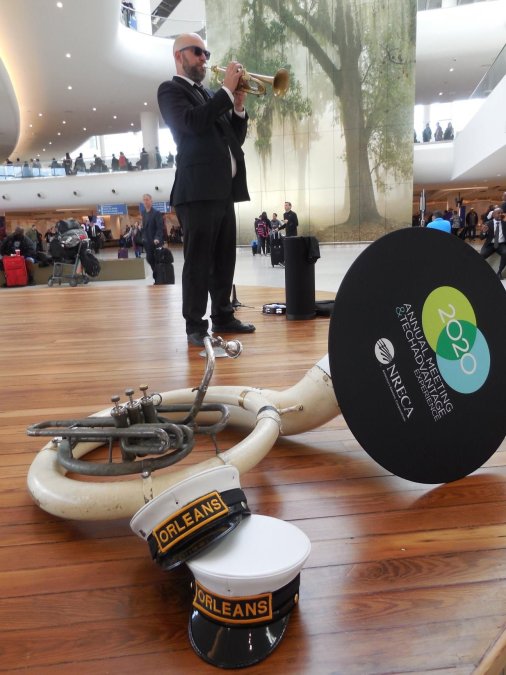
Watch out: the most common failure in physical branding is treating the guideline as a suggestion for vendors rather than a specification.
Branding Design Examples: What Makes a Visual System Flexible
Branding design examples that age well share a structure: a tight core and loose edges. The core is fixed. The edges flex.
A flexible brand system includes:
- A primary logo plus approved variations for small and large formats
- A color palette with defined primary and secondary roles
- Typography rules that scale from a business card to a stage backdrop
- Accessibility considerations, including readable contrast and legible type sizes
That last point matters. Inclusive design keeps your identity usable for every audience, and it protects brand consistency when materials get reproduced at odd sizes. Build accessibility into the guidelines early and you avoid retrofitting later.
Company Branding Examples and How to Stand Out From Competitors
Company branding examples teach the same lesson repeatedly: differentiation comes from a clear point of view, not a louder color. To stand out from competitors, you need a position they cannot copy without becoming you.
Try this test. Write one sentence describing what you do that no competitor could honestly claim. If you cannot, your positioning needs work before your design does.
A practical way to sharpen it:
- List three things customers say they value most
- List what competitors emphasize
- Find the overlap nobody owns, then claim it
Distinctiveness compounds. Every consistent touchpoint builds brand recognition, and recognition is what makes differentiation pay off.
Measuring Branding Effectiveness and Keeping It Consistent
Measuring branding effectiveness starts with agreeing on what “working” means. Awareness, recall, and recognition are the usual measures, and they can be tracked over time through surveys and audience research.
Consistency is the other half. Brand governance keeps teams from drifting: a shared asset library, clear approval steps, and guidelines everyone can find.
Our article on ways to measure experiential marketing success walks through how to evaluate live brand moments, which is where identity either lands or falls flat.
Watch out: the most common failure here is treating guidelines as a one-time deliverable. Brands drift because nobody owns the system after launch.
Bringing Your Unique Branding to Life at Your Next Event
An event is where unique branding becomes physical. Guests walk through your identity, hear it, and touch it. That makes live experiences the most honest test of whether a brand system actually works.
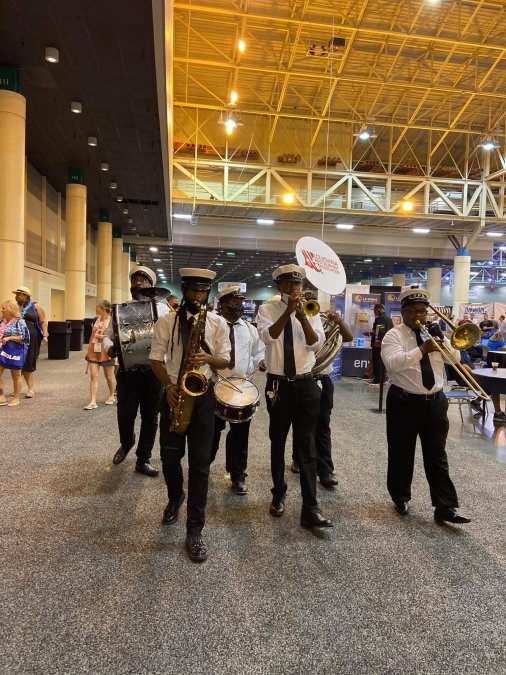
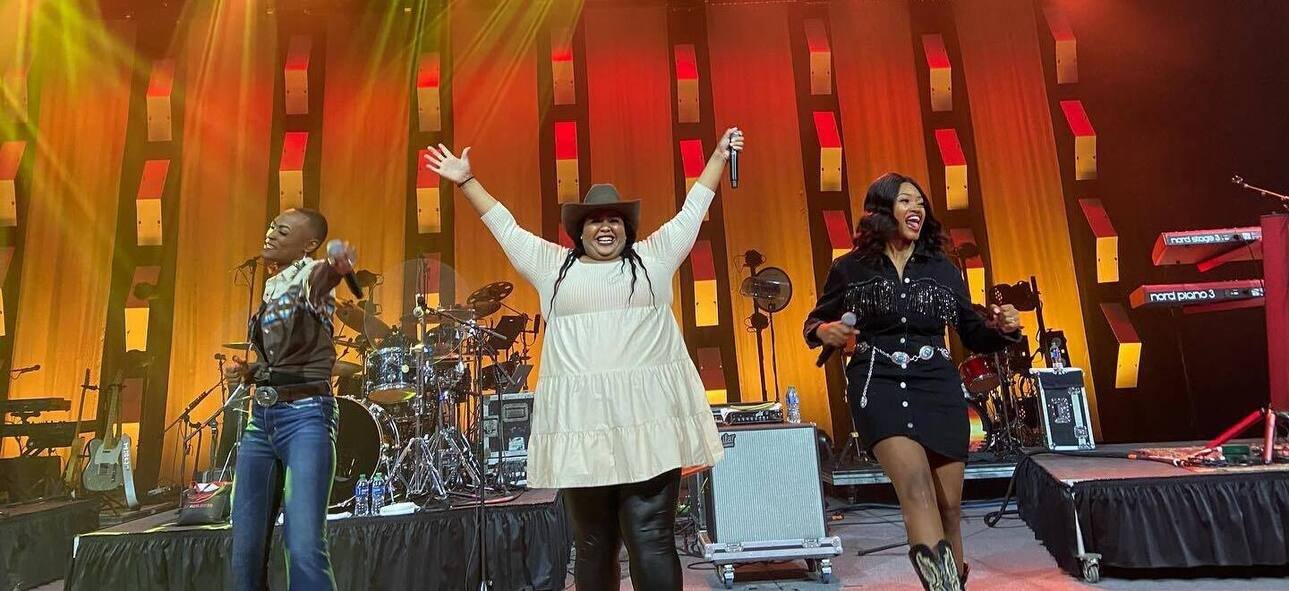
New Orleans Music Events offers custom branding for entertainment elements and full-service event production, including live music, decor, and technical management, with each element matched to your identity.
If you want to see how we integrate identity into immersive experiences, read our guide on integrating brand identity into immersive events, or explore the services we offer for corporate conferences, galas, and activations. You can also review our branding credentials to see how we approach the strategy side.
Events often look generic when the brand is added at the end. Building it in from the start helps guests remember the experience, not just the logo on the step-and-repeat.
Generic events fade fast. New Orleans Music Events designs branded entertainment that guests remember, with custom branding on entertainment elements, full-service production including decor and technical management, and more than 40 years of experience creating immersive cultural experiences.
Frequently Asked Questions
What makes a brand unique?
A brand is unique when its positioning, voice, and visual identity all point at one specific audience and one clear promise. Distinctiveness comes from the combination, not any single element. Two companies can share a similar color palette and still feel completely different if their brand story, tone, and customer experience diverge. Start with audience research and a positioning statement, then let your logo, typography, and messaging flow from that strategy.
What are some examples of unique branding I can learn from?
Look at brands whose identity is inseparable from their story, like a heritage food company that built its packaging around a single founder’s recipe, or a motorcycle maker whose community events function as brand assets. Study unique branding examples for the system behind them: a consistent color palette, a recognizable typography choice, and a voice that sounds the same across channels. Then ask what your own brand could own that competitors cannot easily copy.
How do you create a unique brand identity for a small business?
Follow four steps: research your target audience and competitors, write a positioning statement, define your brand voice and personality, then design a visual system with a logo, color palette, typography, and brand guidelines. Small businesses often stand out by leaning into a specific local story or niche rather than mimicking larger competitors. Document everything in a brand guidelines file so every platform, product, and event stays consistent as you grow.
How can a company keep its branding consistent across products and events?
Consistency comes from documentation and review, not memory. Build brand guidelines that cover logo usage, color values, typography, and tone of voice, then give every vendor and internal team access to the same brand assets. For live events, brief production partners on how the brand should appear in signage, decor, and entertainment. A short approval checklist before each launch or event catches most drift before customers see it.
