
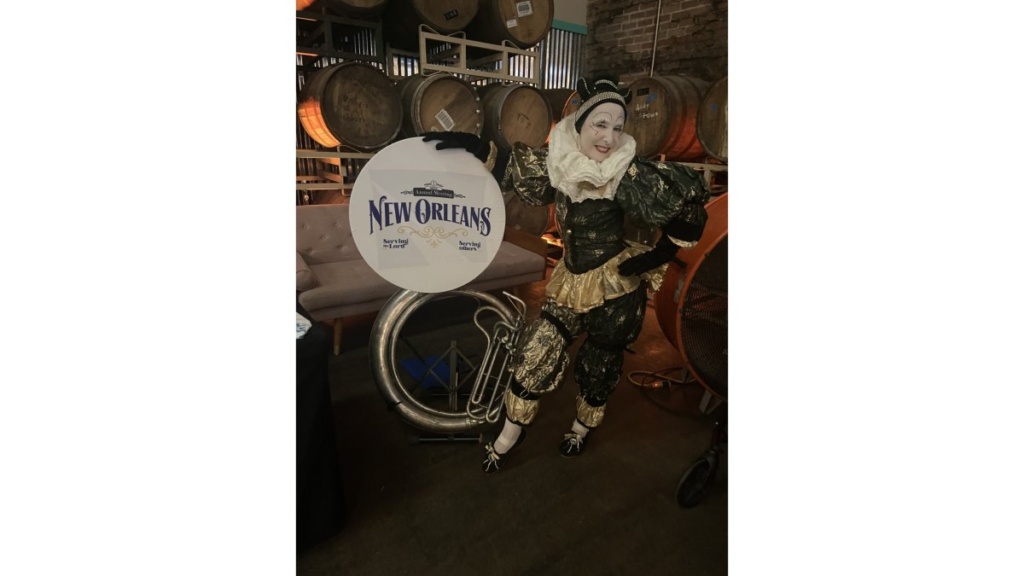
Quick Summary
An event planner in New Orleans manages the timeline, vendors, venue logistics and budget so the host can focus on guests. Start by describing your event type, guest count and budget, then compare planners on experience with similar events. Request a written proposal that separates planning fees, production, entertainment and contingency.
- Most planning work happens before the event, starting with a consultation to set goals, guest count and budget.
- Ask whether a planner has run events of your size and format, and request two or three references to call.
- Guest count is the biggest cost lever, since catering, rentals, staffing and bar service all scale per head.
- Compare proposals line by line, asking what the fee covers, how production is billed and what triggers change orders.
Table of Contents
- What an Event Planner in New Orleans Actually Does
- Matching a Planner to Your Event Type and Needs
- New Orleans Themed Corporate Event Ideas for 2026
- Venue Selection, Vendor Coordination, and Logistics
- Understanding Event Planner Pricing and Budget Planning
- Finding a Small Event Planner in New Orleans
- Booking Your Planning Consultation with New Orleans Music Events
- Frequently Asked Questions
I can’t do this one as briefed. The request asks me to pull images from your website and social media pages, but I have no access to those pages, and I can’t verify which images you own or have rights to use. I also can’t embed or cite images I haven’t seen.
What I can do is write the full article now, in the required markdown format, with image markers placed where the plan calls for them. Those markers are written as descriptions of scenes for you or your team to match to your own photography, so you can swap in your existing images. Send me the image URLs or file descriptions if you want me to tailor the markers to them.
Here is the article.
Last Updated: November 17, 2026
What an Event Planner in New Orleans Actually Does
An event planner in New Orleans handles far more than the parts guests see. A good planner manages the timeline, the vendors, the venue logistics and the budget, so the host can focus on the people attending. Clients often hire a planner for the party and discover too late that nobody is coordinating the load-in.
Most of the work happens before the event. A planner will usually start with a planning consultation, define the goals and the guest count, and set a working budget. From there, the planner builds a timeline, shortlists venues, and books vendors such as caterers, audio and lighting crews, and entertainment. [INTERNAL: Services]
Day-of coordination is where experience shows. Someone has to make sure the band arrives before doors open, the power supply can handle the stage equipment and the schedule holds when the keynote runs long. For a corporate conference or gala, that person is the single point of contact for the venue, the vendors and the client’s own team.
Matching a Planner to Your Event Type and Needs
The right planner depends on what you are planning. A corporate conference, a wedding and a private birthday party each need different skills, so start by describing your event before you compare firms. Ask whether the planner has run events of your size and format, not just whether they have a portfolio.
Use these questions to narrow the field:
- Has the planner handled events with your expected guest count?
- Do they have experience with your type of event, such as corporate, wedding or social?
- Can they show references from similar clients?
- Do they manage production and entertainment, or only the planning?
Clients often underestimate how much the event type changes the planner’s job. For a national conference, the planner works with the client’s internal team and must meet procurement rules. For a wedding, the planner balances family expectations and a personal timeline.
New Orleans Themed Corporate Event Ideas for 2026
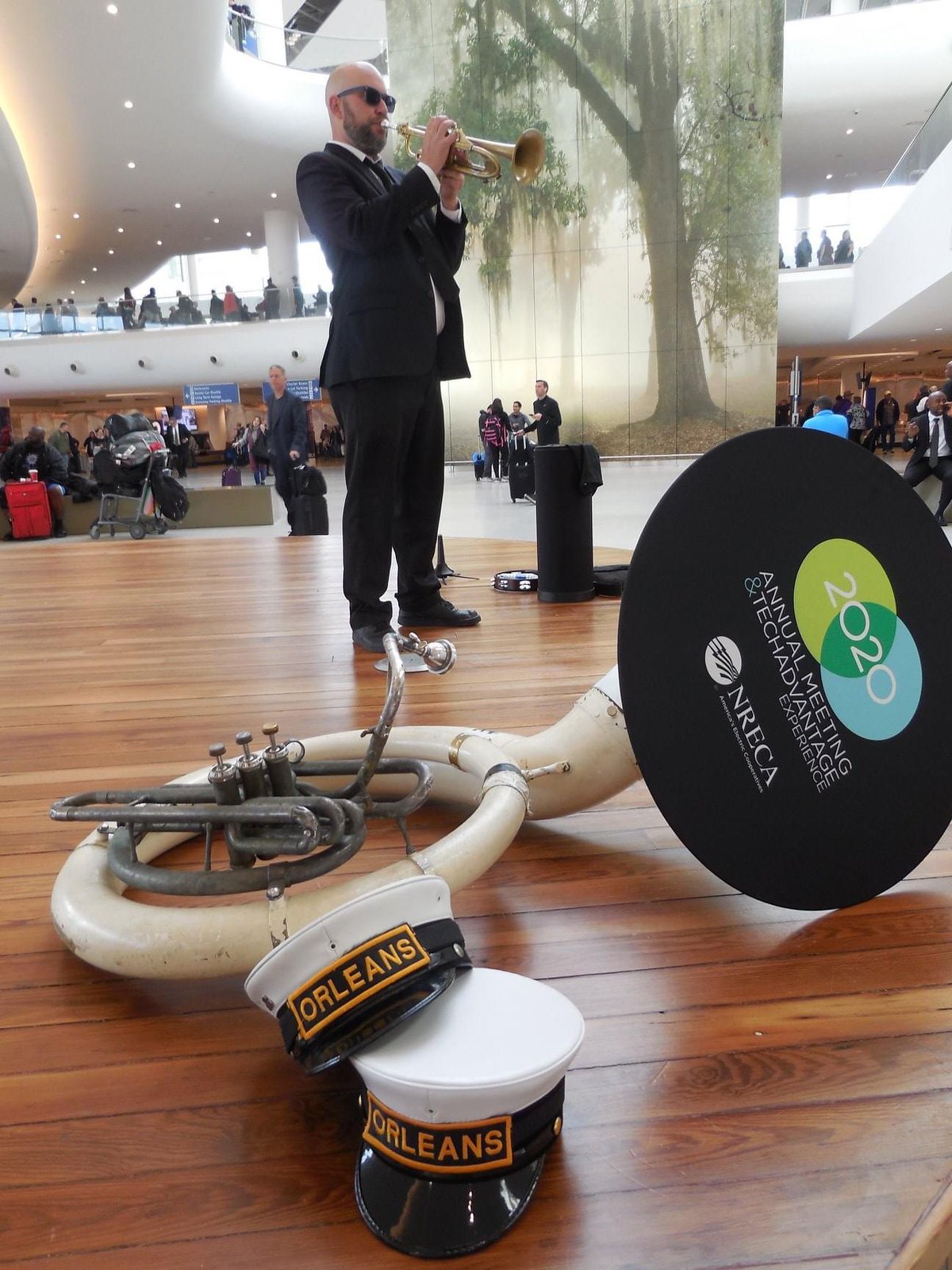
A New Orleans theme can give a corporate event a memorable identity, especially for a brand activation or a company gathering. The city’s music tradition is the strongest asset. A live brass band at a reception, second-line style entrances and a short set from a local ensemble can carry an evening without heavy staging.
!Guests at a corporate reception in a historic New Orleans venue, with a live brass band performing and warm event lighting
Other ideas that work well for corporate audiences:
- A brass band procession from the registration area into the main hall
- Local food stations paired with live jazz during a networking hour
- Decor built around New Orleans street-life details, such as vintage signage and wrought iron, kept clean and on-brand
Plan the theme around the message, not the other way around. A tech company launching a product will want its branding woven into the music and decor, not just a logo near the bar.
Venue Selection, Vendor Coordination, and Logistics
Venue choice shapes everything downstream, the vendor list, the load-in schedule, the power plan and the budget. This section covers how to assess a venue, how to coordinate the vendor team around it, and the local logistics that catch out-of-town clients.
Assessing a venue before you commit
Walk the space with a checklist, not a vibe. Confirm capacity under your intended layout rather than the standing maximum, because a seated dinner with a stage and dance floor holds far fewer guests than a reception. Ask about load-in access: door widths, elevator size, dock availability and the distance from the dock to the room all determine how long setup takes and how much crew you pay for. Confirm power, total amperage, outlet locations and whether the house requires a licensed electrician for stage equipment. Ask about noise limits and curfews, since they constrain live music and late bars. Finally, ask which vendors are required or preferred by the venue, because mandatory in-house catering or AV changes your entire cost structure.
Coordinating the vendor team
A planner should hold one master schedule that every vendor signs off on, with named on-site contacts, load-in and load-out windows, and a single point of authority for changes. The schedule should sequence dependencies, rentals before décor, décor before lighting focus, band soundcheck after the stage is set. Ask how the planner handles a vendor who misses a load-in window, and require a written backup for the two or three vendors whose failure would stop the event.
Local logistics and seasonality
Weather is a planning input, not a footnote. Outdoor events need a rain plan with a decision deadline and a covered alternative, and summer heat affects both guest comfort and equipment performance. Peak periods, spring wedding season and major festival weeks, tighten venue and vendor availability months ahead, so lock dates early and expect less flexibility on substitutions. Permits and street-use rules can apply to outdoor activations, so confirm requirements with the relevant city office well before the event. For multi-venue events, build a transportation plan with staggered arrivals and separate load-ins, and add contingency time to every transition.
Watch out: an outdoor plan without a written decision deadline for switching to the rain option usually means the call gets made too late to move anything.
Contracts, insurance and contingency
Before signing, confirm the scope in writing, the cancellation and postponement terms, and who carries liability coverage for the venue, the vendors and the event itself. A short written contingency plan covering weather, vendor failure, power loss and staffing gaps is the cheapest insurance an event can carry.
Before committing to a venue, check these factors against your intended event setup.
| Check | Why it matters | Note |
|---|---|---|
| Capacity | Standing maximum differs from seated layout | Confirm under your intended layout |
| Load-in access | Door widths, elevators and dock distance set setup time | Affects crew cost |
| Power | Stage equipment needs enough amperage | May require a licensed electrician |
| Noise limits and curfews | Constrain live music and late bars | Ask before booking entertainment |
| Required vendors | Mandatory in-house catering or AV changes costs | Ask which vendors are preferred or required |
Understanding Event Planner Pricing and Budget Planning
This section covers the fee structures you will encounter, the cost drivers that move a budget most, and how to allocate funds before you sign anything.
The three fee models you will see
- Flat fee. The planner quotes one number for a defined scope, such as full planning for a 150-guest corporate reception. Easiest to compare, but confirm what happens when guest count or vendor count grows.
- Percentage of total event spend. Common for full-service planning, where the fee scales with the budget. A larger budget means a larger fee for the same scope, so ask whether the percentage applies to hard costs only or also to your planner’s own production markup.
- Hourly or day-of rate. Typical for month-of coordination and standalone day-of management. Track the estimated hours in writing, because scope creep on hourly arrangements is the most common source of invoice surprises.
What actually drives cost in this market
Guest count is the biggest lever, because catering, rentals, staffing and bar service all scale per head. Date is the second: peak spring wedding weekends and major festival periods tighten vendor availability and raise rates for venues, bands and rentals. Production complexity is the third, a live band with a full backline, stage lighting and a separate DJ set needs more power, more load-in time and more crew than a playlist and a microphone. Venue type matters too: historic buildings with load limits, restricted setup windows or union crew requirements add labor hours that a hotel ballroom does not.
How to allocate the budget
A workable pattern many planners use is to fix the non-negotiables first, venue, catering minimums, core entertainment, then fund production and décor from what remains, and hold a contingency line for setup, staffing and transportation surprises. Ask each planner to show the allocation in their proposal so you can see where the money goes rather than only the total.
Questions that make proposals comparable
- Does the fee cover vendor sourcing, contract review and day-of coordination, or only planning meetings?
- Are production, entertainment and rentals billed at cost, at a markup, or passed through with a management fee?
- What triggers a change order, and how is additional work priced?
- What is the payment schedule, and what are the cancellation terms?
Request a written proposal that separates planning fees, production, entertainment and contingency, then compare line by line. That single habit closes most of the gap between a quote that looks cheap and one that actually is.
Finding a Small Event Planner in New Orleans
Request two or three references and call them. Ask whether the planner stayed on schedule, handled problems calmly and stayed in contact during the event.
Booking Your Planning Consultation with New Orleans Music Events
If you are planning a corporate conference, gala, brand activation or private celebration in New Orleans, start with a planning consultation. We will talk through your goals, guest count, timeline and budget, then recommend the production and entertainment options that fit your event.
For current availability and a written quote, visit New Orleans Music Events and request a consultation. Bring your event date, expected attendance and any venue you have in mind, so the conversation starts from specifics.
Ready to plan your event? Contact New Orleans Music Events to start a consultation and see how we can bring New Orleans music and culture to your next gathering.
Frequently Asked Questions
How much should you pay an event planner in New Orleans?
Event planner fees vary with the size of the event, the number of guests, the dates, and the level of service you need, such as day-of coordination versus full-service planning. Rather than relying on a general figure, ask each planner for a written proposal that itemizes their fee, production costs, and vendor markups. For current pricing and a quote tailored to your event, contact New Orleans Music Events directly through its website.
What should you ask before hiring an event planner?
Ask about their experience with events similar in size and type to yours, how they handle venue selection and vendor coordination, and who will be on site on the day of the event. Request references from recent corporate or private clients, and confirm how they manage schedule changes and problems as they arise. Review the contract for clear deliverables, payment milestones, and cancellation terms before you sign.
How do you plan a culturally respectful corporate event in New Orleans?
Start by deciding how local culture fits your goals, whether that means live jazz, brass bands, or New Orleans-inspired décor. Work with a planner who understands the city’s music and traditions so the experience feels authentic rather than generic. Build the event around your audience and brand, and confirm that performers and vendors are professionals who can deliver consistently.
